AI for scientific discovery
Large language models and agentic systems for construct validity assessment, theory development, and behavioral research workflows.

My research lies within computational design science, a research tradition in Information Systems. I develop AI-based systems for construct validation, theory development, and knowledge discovery, combining large language models, multimodal deep learning, and graph neural networks with domain expertise. My work also examines applications such as AI-generated content detection.
Large language models and agentic systems for construct validity assessment, theory development, and behavioral research workflows.
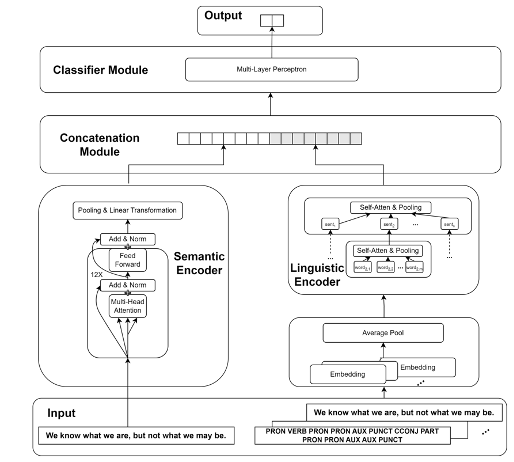
Explainable detection of AI-generated text, digital trust, and generative AI governance.
Multimodal deep learning and machine learning for historical sources, financial risk, and knowledge discovery.
Journal article 2025
Decision Support Systems, 114498
Journal article 2025
Historical Methods: A Journal of Quantitative and Interdisciplinary History, 1–25
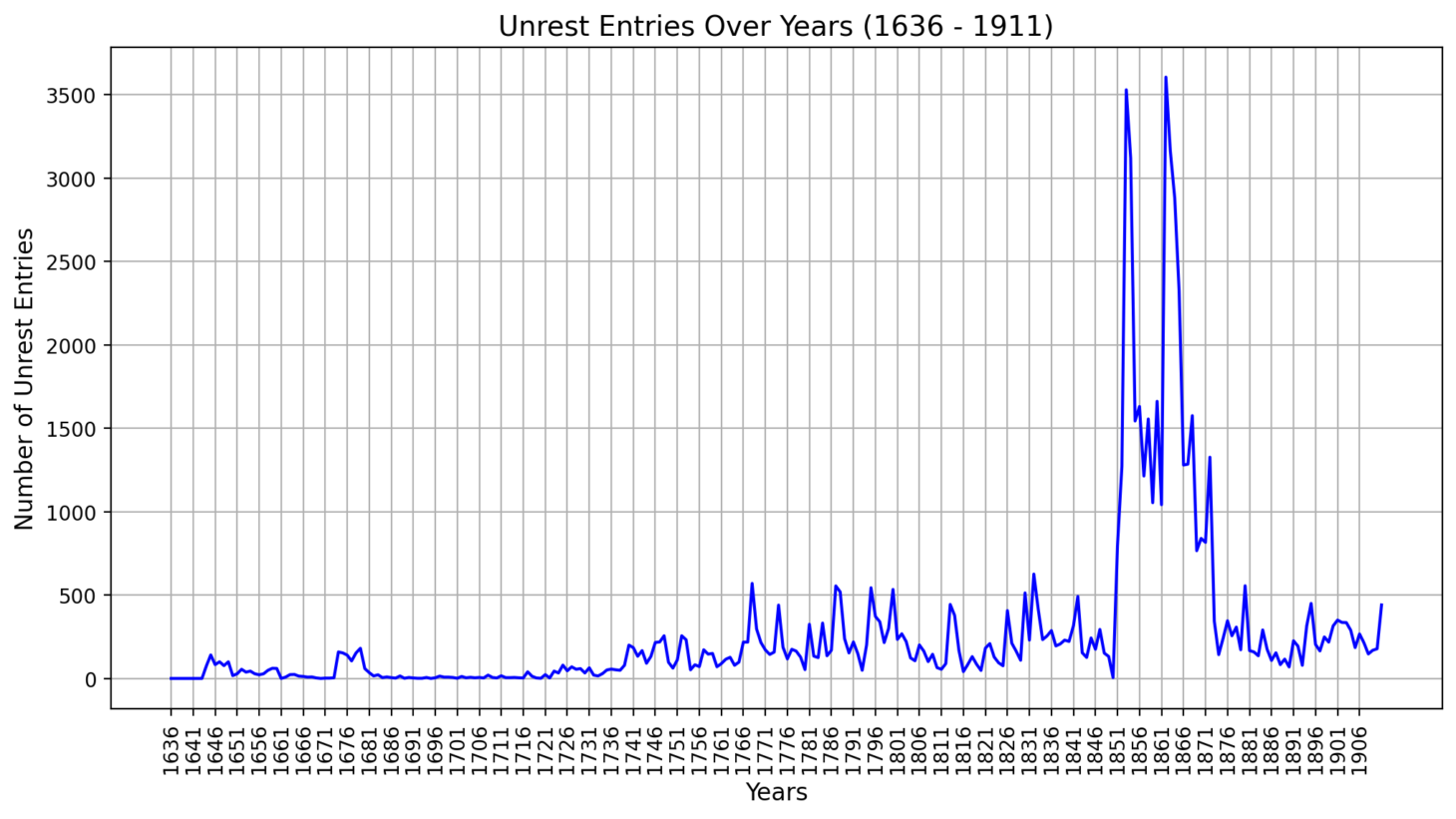
Primary historical sources are often by-passed for secondary sources due to high human costs of accessing and extracting primary information–especially in lower-resource settings. We propose a supervised machine-learning approach to the natural language processing of Chinese historical data. An application to identifying different forms of social unrest in the Veritable Records of the Qing Dynasty shows that approach cuts dramatically down the cost of using primary source data at the same time when it is free from human bias, reproducible, and flexible enough to address particular questions. External evidence on triggers of unrest also suggests that the computer-based approach is no less successful in identifying social unrest than human researchers are.
Conference paper 2024
ICIS 2024
The psychometric approach in IS offers a foundational framework for a broad spectrum of research endeavors, which typically rely on construct validation to confirm that a series of indicators accurately measures the intended construct. However, a longstanding issue with construct validity, unaddressed since its introduction by Cronbach and Meehl in 1955, is that it is evaluated using study-specific response data without comparison to constructs outside the study. This oversight (or, rather, incapability) has significant implications. We introduce a large language model combined with principal components analysis (PCA) and develop the Validity Lodestar application. This approach lays the groundwork for developing more accurate and reliable theoretical models, marking a significant leap forward in the IS discipline’s methodological capabilities, making IS the first psychometric discipline with the capability to properly evaluate construct validity.